Semiconductor themed ETFs walk into the second half of 2026 in a very different environment than a year ago. AI infrastructure spending is still strong, but leadership has narrowed and valuations in some names have stretched. Memory and HBM cycles are gaining momentum, equipment orders are running through another capex wave, and regional policy stories continue to shape A‑share and Korea exposure. That mix makes semis both attractive and tricky. Tactical allocation is about leaning into the parts of the theme that still have room while respecting the growing risk of disappointment and rotation.

The goal for 2H 2026 is not to pick one “right” semiconductor ETF and forget about it. It is to build a semi ETF sleeve that matches the regime: still supportive for chips, but more selective in what kind of chip risk you want to carry. That means keeping a core allocation, adding a few tactical tilts where the cycle is strongest, and avoiding overconcentration in the most crowded parts of the AI story.
Core Semi Exposure: Stay In, But Be Selective
The first tactical decision is whether to have core semiconductor exposure at all. In 2H 2026, the answer is still yes for most investors. AI remains a structural demand driver; data‑center and cloud capex is not disappearing; and semis continue to sit at the heart of broader technology and industrial investment. But the way that core exposure is built matters more now than it did during the early AI impulse.
Broad U.S. semiconductor ETFs that capture the full value chain—design, foundry, equipment, memory—remain sensible core holdings. They give you diversified access to the sector’s key drivers without forcing a bet on one specific bottleneck. Tactically, a modest overweight to these broad funds is still reasonable in 2H 2026, but this overweight should be smaller than in early 2025 or early 2026, when the AI theme was first being repriced. The emphasis now is on balanced core exposure rather than an aggressive sector bet.
That core sleeve is where you want the bulk of your semi exposure to live. Tactical satellites can then refine the profile rather than replace it.
Tilt 1: Memory and HBM ETFs for Bottleneck Upside

If there is one area of semis with clear tactical appeal in 2H 2026, it is memory and HBM. AI workloads continue to stress memory bandwidth and capacity, and the HBM supercycle narrative has moved from theory to reality. Pricing has strengthened, volumes are rising, and capacity plans are expanding. Memory‑themed and HBM‑focused ETFs give you a direct way to express that view.
Tactically, a moderate tilt toward memory/HBM ETFs can make sense as a satellite around your core semi exposure. This tilt should be sized carefully. Memory cycles can still be volatile, and HBM names are not immune to corrections if the market starts to worry about over‑capacity or timing mismatches. But the structural story—AI needs more bandwidth—is not going away in 2H 2026.
The allocation logic is simple: let the core semi ETF capture broad sector risk, and add a focused HBM sleeve if you believe the memory bottleneck still has room to surprise on the upside.
Tilt 2: Equipment ETFs as Capex Leverage
Semiconductor equipment names remain tightly linked to capex cycles. In 2H 2026, AI, HBM, and advanced packaging all continue to drive investment in tools and process technologies. That gives equipment‑focused ETFs a strong tactical case, especially if you expect fabs to keep announcing capacity expansions and node migrations rather than pausing.
A tactical tilt into equipment ETFs can serve two roles. First, it increases leverage to long‑term semiconductor investment rather than near‑term end‑product shipments. Second, it broadens your semi exposure beyond the most visible design and memory names, adding suppliers that benefit from capex even when sentiment about specific chips wobbles.
The risk, as always, is cycle timing. If capex announcements slow or get pushed out, equipment can underperform. In 2H 2026, a reasonable allocation approach is a modest overweight to equipment ETFs as long as order books and guidance remain supportive, with a clear plan to reduce exposure if leading indicators soften.
Tilt 3: Materials ETFs for Stability and Policy Themes

Materials‑focused ETFs—covering specialty chemicals, gases, substrates, and other inputs—offer a quieter but tactically useful angle in semis. In 2H 2026, domestic substitution, supply‑chain resilience, and process complexity remain important themes, particularly in A‑share and regional markets where materials firms are central to policy objectives.
From a tactical allocation standpoint, materials ETFs can act as a stabilizing layer within your semi exposure. They may not spike as dramatically as HBM or the biggest design names, but they participate in the upgrade and localization cycles that are likely to persist even as sentiment shifts from one chip narrative to another.
If your core semi exposure is heavily tilted to U.S. design and equipment, a small allocation to materials ETFs—especially those tied to domestic substitution themes—can diversify your sector risk and add a policy‑driven growth sleeve. In 2H 2026, that diversification is worth considering.
Regional Balance: U.S. vs. Asia vs. A-Share Semis
Tactically, 2H 2026 is not only about which part of the value chain you own; it is also about where you own it. U.S. semiconductor ETFs remain the primary vehicles for global chip leadership and AI infrastructure, but Asia‑focused and A‑share semi ETFs reflect domestic capacity building, equipment localization, and regional policy support.
A balanced tactical approach is to maintain your primary semi exposure through U.S. — and global-focused — ETFs that capture the main AI and hardware leaders, while using smaller sleeves of Asia or A‑share semi ETFs to tap into local substitution and materials/equipment stories. This combination can improve diversification inside your semi allocation without abandoning the core global theme.
In 2H 2026, that regional balance helps manage the risk that one geography gets hit by policy or regulatory shocks while the broader sector remains constructive.
Risk Management: Concentration and Volatility

No tactical recommendation in semis is complete without a discussion of risk. In 2H 2026, concentration risk remains significant. Some semiconductor ETFs have large weights in a handful of names. If you add HBM and equipment tilts on top of those, you can end up with far more exposure to specific companies than you realize.
Tactically, the answer is not to avoid the sector, but to cap your total semi allocation and watch single‑name exposure. A reasonable guideline in 2H 2026 is to keep total semiconductor ETF exposure at a moderate overweight relative to your baseline equity allocation, not a dominant stake. Inside that sleeve, limit any one ETF’s weight so that concentration risk does not dominate portfolio behavior.
Volatility is the other risk. Semi ETFs can still move sharply on earnings, guidance, or macro data. Tactical tilts should therefore be sized with an understanding that drawdowns can be quick. Use position limits, staggered entry, and clear scenarios for adding or trimming exposure rather than committing all capital at once.
Suggested Tactical Structure for 2H 2026
Putting these pieces together, a practical 2H 2026 semi ETF allocation might look like this for a growth‑oriented but risk‑aware investor:
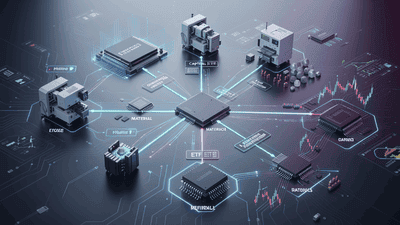
- Core semi ETF (broad U.S./global): The largest slice of your semiconductor allocation, providing diversified exposure to design, foundry, equipment, and memory. This is your long‑term anchor.
- HBM/memory ETF satellite: A smaller tilt expressing the memory bottleneck thesis. Sized modestly, reviewed regularly as pricing and capacity dynamics evolve.
- Equipment ETF satellite: A tactical capex lever to benefit from ongoing AI and memory-related investment. Scaled to your conviction about fabs’ spending plans.
- Materials ETF satellite: A stabilizing layer and a way to add domestic substitution exposure, particularly in A‑share or regional markets.
- Regional semi ETF sleeve (Asia/A‑share): A smaller allocation to capture policy and localization themes alongside your core global exposure.
Within this structure, the total semi ETF weight is intentionally moderated rather than maximized. The aim is to maintain a constructive stance on the sector without turning the entire portfolio into a single theme bet.
When to Lean In, When to Lean Out
Tactical allocation is not static. In 2H 2026, you may want to lean in or out of semi ETFs depending on how a few key conditions evolve:
- AI capex signals: If cloud and hyperscaler spending plans remain robust, equipment and HBM tilts can stay in place. If capex guidance starts to soften, reduce satellite exposure.
- Memory pricing and inventory: Strong pricing and controlled inventories support HBM/memory ETFs. Signs of oversupply or pricing pressure argue for a more cautious stance.
- Macro and rates: A stable or gently easing rate backdrop favors semi valuations. A sharp rate shock or macro downturn may call for trimming overall semi exposure.
- Policy and export headlines: Persistent policy risk may justify keeping regional exposure small and focusing more on well-diversified global funds.
These triggers help keep your tactical semi allocation aligned with actual conditions rather than with a static view frozen in time.
Conclusion
In the second half of 2026, semiconductor ETFs remain a legitimate overweight for many portfolios, but the nature of that overweight is evolving. The easy phase of “buy anything semi and win” has passed. The sector is now in a stage where tactical allocation has to be more nuanced: broad core exposure, specific tilts to HBM and equipment where the cycle is strongest, and selective use of materials and regional ETFs for diversification.
The best tactical allocation is not the most aggressive one. It is the one that matches the regime: still constructive on semis, but more aware of concentration, volatility, and rotation risk. In that environment, semi ETFs can continue to be a source of growth and alpha—if their role in the portfolio is defined carefully and adjusted as 2H 2026 unfolds.