

Matthew Foster
I study semiconductor index composition, constituent weights, and the effects of periodic index rebalancing. My research focuses on how changes in company size, market capitalization, liquidity, sector classification, and index rules can alter exposure to different semiconductor industries. I publish on this website because index performance is not determined solely by the underlying semiconductor market. The composition of a benchmark can change over time, and understanding these changes is essential when comparing historical performance. My work examines constituent additions and removals, weighting changes, sector representation, concentration, and rebalancing schedules. I also analyze how major semiconductor companies can influence benchmark results through changes in their relative market value. Another focus is the relationship between index structure and investment products. Different indices may have very different exposures even when they carry similar semiconductor-related names. Through my articles, I aim to provide readers with a clearer understanding of index mechanics and explain how methodology and rebalancing influence semiconductor benchmarks.
Semiconductor index specialist covering constituent selection, weighting, rebalancing, concentration, sector representation, and benchmark methodology.
Matthew Foster is a semiconductor index specialist focused on constituent selection, weighting methodologies, and index rebalancing. His research examines how benchmark rules influence exposure to different parts of the semiconductor industry.
Matthew follows changes in company representation, market capitalization, liquidity, sector classification, and constituent weights. His work explains why two semiconductor indices can produce different exposures despite covering similar companies.
Rebalancing is a central theme in his research. Additions, removals, and changes in constituent weights can alter benchmark concentration and sector exposure over time.
Matthew also examines the relationship between index structure and investment products. Through his articles, he provides readers with a practical understanding of semiconductor index mechanics and the factors that can influence benchmark performance.
His Articles

DRAM ETF Holdings: The 73% SK Hynix, Samsung, Micron Concentration
DRAM has moved from being a relatively specialized component of the semiconductor industry to one of the most important beneficiaries of the artificial intelligence infrastructure boom. The rapid expansion of AI servers, high-performance computing, data centers, and advanced accelerators has increased attention on memory capacity, bandwidth, and supply discipline. For investors who want exposure to this trend without selecting a single memory stock, semiconductor and memory-themed ETFs offer a convenient alternative.
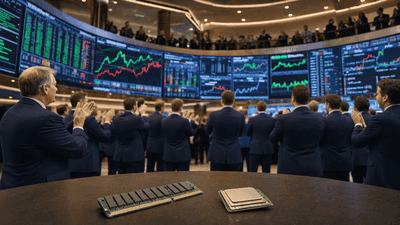
Record New Launches of Memory/AI Thematic ETFs in 2026 – Capital Siphoning Effects
The 2026 boom in memory and AI-themed ETFs has done more than add a few tickers to the market. It has rewired how capital finds its way into AI storage and computing power. Funds like pure‑play memory ETFs and AI hardware baskets raised billions within weeks, breaking launch records that were previously reserved for broad index or Bitcoin products. That speed is not just a measure of investor enthusiasm; it is evidence of a capital siphoning effect, where money that might have gone into individual memory names, broad semis, or general AI equity now flows through a concentrated thematic wrapper instead.

The Historical High Overlap of Global M2 Growth Inflection and Semi Cycle Bottoms
Semiconductors live in a world of wafers and nodes, but their cycles are written in liquidity as much as in silicon. Over the past few decades, chip busts and booms have tracked not just demand for phones or servers, but swings in global money supply. One of the more intriguing patterns macro investors like to point to is the high overlap between turning points in global M2 growth and bottoms in the semiconductor cycle. When broad money growth stops falling and starts to turn up—“growth reflection”—semi sales and valuations often find their floor not long afterwards.

Impact of Upgraded Reliability and Lifetime Test Standards on AI Chip Yields
As AI workloads move from experimental deployments to mission‑critical services, expectations around the reliability and lifetime of AI chips have risen sharply. Data centers, automotive systems, industrial controllers, and consumer devices now run AI models continuously, often under harsh thermal and electrical conditions. In response, chip makers and system integrators are upgrading reliability and lifetime test standards to ensure their devices can withstand years of heavy duty.
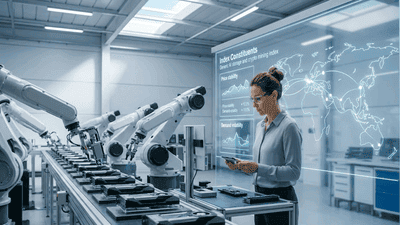
Quantifying the Dual Drivers (Crypto Mining & AI Storage Demand) on the Same Index Constituents
There is a curious overlap emerging in modern infrastructure: the same companies that once existed purely to mine cryptocurrencies are now being courted as potential providers of AI storage and computing power. Power-hungry bitcoin miners are repackaging themselves as high-performance computing (HPC) and AI infrastructure platforms, offering energy, cooling and rack space to both blockchains and machine learning workloads. For index designers and ETF investors, that creates a challenge and an opportunity: how do you quantify the dual drivers of crypto mining and AI storage demand acting on the same constituents?