

Matthew Collins
I research NAND flash and enterprise storage, with a particular focus on SSD demand, data-center storage infrastructure, controller technology, storage density, and memory pricing. My work examines how cloud computing, AI workloads, enterprise applications, and growing data volumes are changing the requirements of modern storage systems. I write for this publication because NAND and enterprise storage are sometimes treated as secondary parts of the semiconductor industry, even though storage infrastructure is fundamental to modern computing. The growth of AI and cloud services is increasing not only compute requirements but also the amount of data that must be stored, accessed, processed, and moved. My research follows NAND production, wafer capacity, flash density, SSD adoption, controller technology, enterprise storage demand, and inventory conditions. I also study the relationship between storage architecture and data-center infrastructure, including performance, endurance, capacity, and total cost considerations. Another major part of my work is the NAND cycle. Production adjustments, inventory levels, enterprise demand, consumer electronics, and pricing can create significant changes in the NAND market. I monitor these indicators to understand how supply and demand are evolving. I also follow semiconductor investment themes associated with NAND and enterprise storage. Through my articles, I aim to explain how changes in data-center architecture, AI workloads, storage requirements, NAND technology, and production conditions influence the broader memory and semiconductor markets.
Enterprise storage analyst covering NAND flash, SSDs, storage controllers, data-center infrastructure, flash density, pricing, and AI-driven storage demand.
Matthew Collins is an enterprise storage and NAND analyst who focuses on the semiconductor technologies supporting modern storage infrastructure. His coverage on this website includes NAND flash, enterprise SSDs, storage controllers, data-center storage, and the changing requirements created by AI workloads.
Matthew studies NAND production, flash density, SSD adoption, controller technology, storage capacity, performance, endurance, and pricing. His research connects storage technology with the infrastructure requirements of cloud providers, enterprises, and large data centers.
AI computing is an increasingly important part of his coverage. AI workloads generate large volumes of data and create new requirements for fast, high-capacity storage. Matthew examines how these changes may influence enterprise SSD demand and the broader NAND supply chain.
He also follows the NAND industry cycle, including production adjustments, inventory conditions, supply-demand changes, and pricing trends. These factors can influence manufacturers and storage companies across different stages of the market.
Through his articles, Matthew provides readers with a detailed view of NAND and enterprise storage and explains how storage technology, data-center investment, AI workloads, and semiconductor supply conditions are increasingly connected.
His Articles
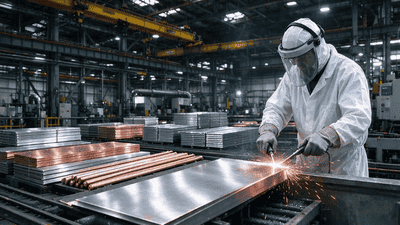
Copper and Palladium Prices: The Semi Manufacturing Cost Transmission
Semiconductor manufacturing is often described through advanced lithography, wafer fabrication, packaging technology, and massive investments in computing infrastructure. Yet beneath these sophisticated processes lies a less glamorous but highly important layer: raw materials and industrial inputs. Copper and palladium are two commodities that can provide useful signals about this underlying cost structure.
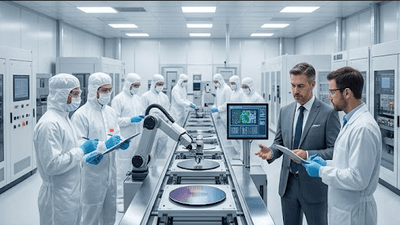
Historical Performance and Coping Strategies of Semis Under "Stagflation" Scenarios
Stagflation—an uncomfortable mix of persistent inflation and sluggish growth—is the kind of macro regime that makes almost every asset class nervous. For semiconductors, it’s especially tricky. The sector thrives on strong end demand, predictable capex, and manageable input costs. Stagflation undermines all three at once: rates stay high, consumer and industrial demand soften, and commodities can bite margins. Yet semis are not doomed in such environments. History suggests they navigate stagflation with a mix of pricing power, capital discipline, and strategic repositioning.
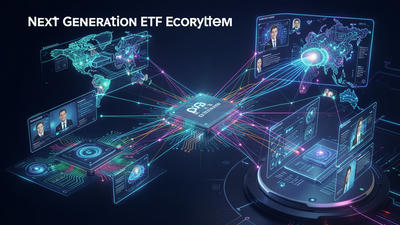
2027 Semi ETF Industry Outlook – Product Innovation and Investor Behavior Evolution
Semiconductor themed ETFs have already gone from obscure sector tools to core vehicles for expressing views on AI, cloud infrastructure, consumer electronics, and industrial automation. By 2027, that evolution is likely to be even more pronounced. Semi ETFs will sit at the intersection of product innovation in the ETF industry and shifting investor behavior in an increasingly factor- and outcome-driven world. The result will not just be “more semi ETFs.” It will be more specialized, more dynamic, and more integrated ways to trade and allocate around the semiconductor value chain.