

Alexander Collins
I study the intersection of AI computing, semiconductor memory, and thematic investment portfolios. My research examines how AI workloads are changing demand for compute accelerators, HBM, enterprise storage, networking, and advanced semiconductor manufacturing. I write for this website because AI computing is creating a semiconductor investment ecosystem that crosses traditional industry boundaries. A single AI system can depend on processors, memory, packaging, networking, storage, and manufacturing equipment from many different companies. My work focuses on AI memory and compute ETFs, including portfolio composition, company exposure, thematic concentration, and changes in fund strategy. I compare how different products balance computing and memory exposure. I also monitor AI infrastructure trends, HBM adoption, accelerator roadmaps, data-center spending, and semiconductor capacity expansion. Through my articles, I aim to connect AI technology developments with the structure of thematic investment products and provide readers with a practical view of the AI memory and compute investment landscape.
AI memory and compute ETF researcher covering accelerators, HBM, networking, storage, packaging, data centers, and thematic portfolio exposure.
Alexander Collins is an AI memory and compute ETF researcher studying the intersection of artificial intelligence, semiconductor technology, and thematic investment products.
Alexander follows accelerators, HBM, networking, storage, advanced packaging, and semiconductor manufacturing capacity. His research examines how these technologies work together within the broader AI infrastructure ecosystem.
He analyzes AI memory and compute ETFs by holdings, thematic concentration, company exposure, and the balance between computing and memory-related businesses.
Alexander also follows AI infrastructure spending, HBM adoption, accelerator roadmaps, and data-center investment. Through his articles, he connects technology developments with thematic ETF structures and explains how different products capture the evolving AI semiconductor ecosystem.
His Articles

ASML’s High-NA EUV Partnership Trio: What Intel, Samsung, and TSMC Gain from the 2026 Deal
Intel gains an opportunity to turn early manufacturing experience into differentiation. Samsung gains a route toward more advanced DRAM production. TSMC gains a clearer long-term adoption path while preserving flexibility over when the technology enters its factories.
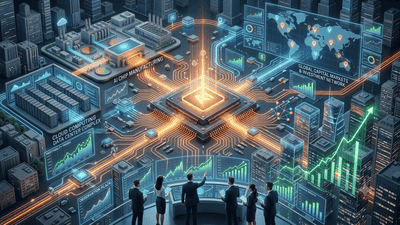
FCF Inflection Point Forecasting Model for Leading AI Chip Companies
As AI chip companies mature from high‑growth stories into capital‑intensive platforms, investors increasingly focus on free cash flow (FCF) as the core signal of long‑term value creation. Revenue growth, unit shipments, and benchmark leadership still matter, but they no longer tell the full economic story. What ultimately determines whether a leading AI chip company justifies its valuation is when, and how, its investments in R&D, tape‑outs, capacity, and ecosystem translate into sustained, positive, and growing FCF. This transition moment is what we can call the FCF reflection point.
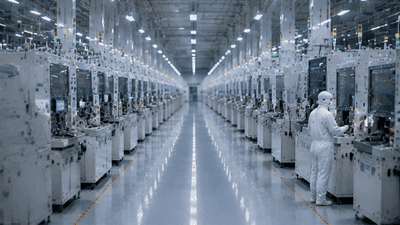
Big 3 Memory Makers’ HBM CapEx Share Exceeds 50% for the First Time in 2026
In 2026 the semiconductor landscape reached a decisive inflection: the combined capital expenditure (capex) directed by the industry’s Big Three memory makers—SK Hynix, Samsung, and Micron—toward High-Bandwidth Memory (HBM) and its enabling packaging technologies exceeded 50% of total industry HBM-capex for the first time. This milestone matters because it signals concentrated investment toward premium memory and packaging ecosystems that underpin AI accelerators, HPC clusters, and advanced datacenter architectures.

Historical Win-Rate and Odds of the Semi Sector After Fed Rate Cut Cycles Begin
When the Federal Reserve pivots from raising rates to cutting them, everyone asks the same question: what happens to stocks now? More specifically, in the AI era, investors ask: what happens to semiconductors? Are they a reliable winner after the first cut, or does the sector’s cyclicality and high valuation risk turn the easing phase into a coin toss? History doesn’t give us a perfect script, but it does offer patterns—and those patterns give us a way to think about win rates and odds, rather than stories alone.
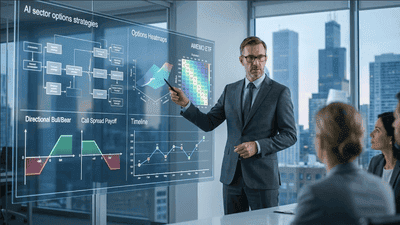
Case Study Analysis of Using ETF Options for Directional Trading in the Memory Sector
Directional trading in the memory sector used to mean picking individual DRAM or NAND stocks and riding the cycles. Today, there is a cleaner, more structured way to express those views: options on thematic ETFs dedicated to memory and AI storage. These products wrap a complex, global supply chain into a single tradable instrument, and their option chains open the door to a wide range of strategies, from aggressive directional bets to more nuanced hedging and income approaches.